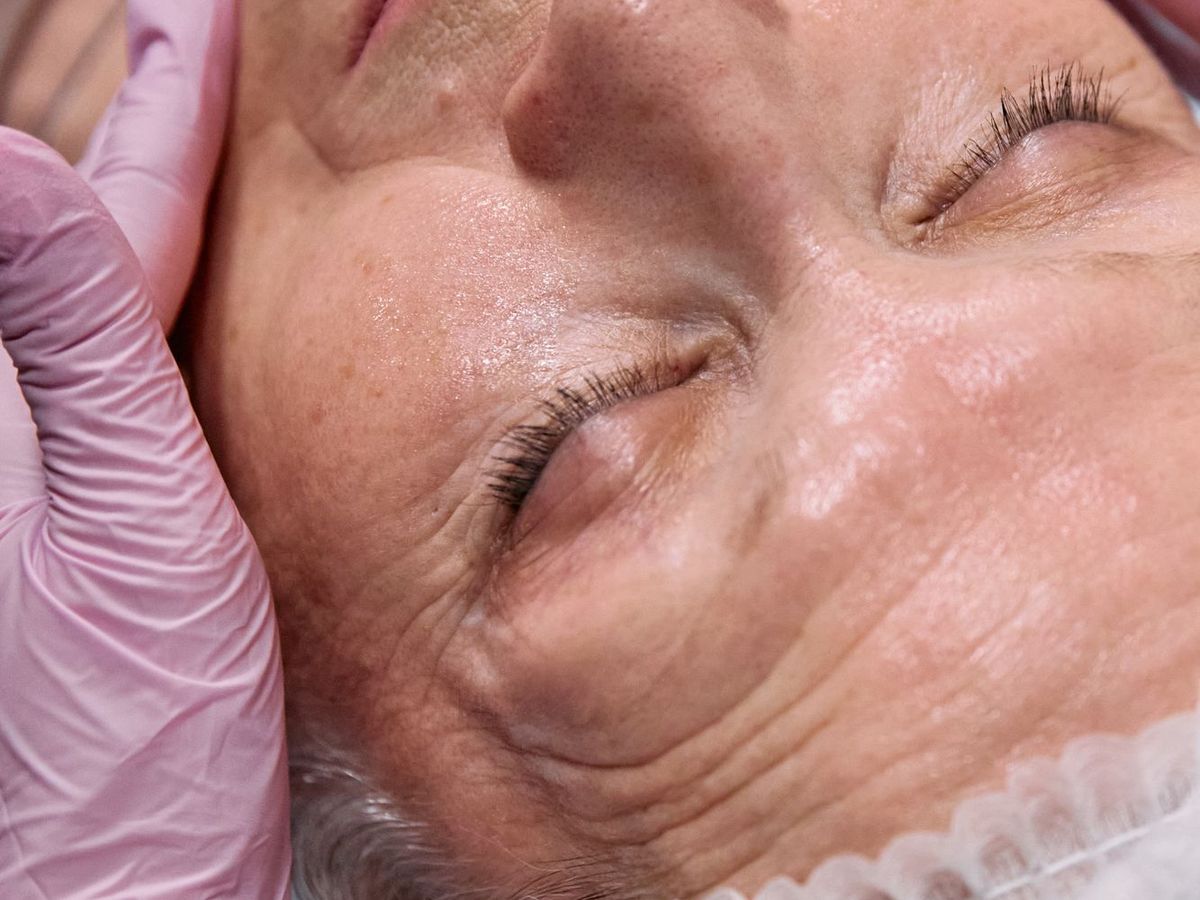
Treatment of thickened scars with injections

Treatment of thickened scars with injections

from 60 min

3,500 kr

Injections that make thickened scars and keloids flatter and softer, and can ease itching and pain.

Not ready to book?

Applied to Face, Whole body

About the treatment

At a glance

Duration
1 hr
Downtime
No downtime

Benefits

  • Flatter and softer scars
  • Less itching and pain
  • Follow-up by a doctor

Expected results

The scar gradually becomes flatter and softer through the course, and itching and pain often ease. The scar does not go away completely, and keloids can come back.

Overview & Procedure

What the treatment is and how it's performed

What it is

Thickened scars and keloids form when the skin makes too much scar tissue as a wound heals. A thickened scar stays within the original wound, while a keloid grows beyond it. The scars can itch, feel tight and hurt. A doctor injects an anti-inflammatory medicine directly into the scar. It calms the scar tissue, so the scar becomes flatter and softer and the symptoms ease.

  • Usually three to five treatments four to six weeks apart.
  • The number depends on the size and age of the scar, and on how it responds to the treatment.
  • A doctor follows up the scar, because keloids can come back.

  • A doctor examines the scar and goes through your health.
  • The skin is cleansed. Numbing is used if needed.
  • The medicine is injected with a fine needle into the scar itself, at several points.
  • The area is covered if needed.

Experience & Recovery

Pain level, downtime and healing

Most people rate the discomfort at 3–5 out of 10. Thickened scars are firm, and it can feel tight and sting while the medicine is injected.

  • Common: tenderness and slight swelling in the scar.
  • Less common: lighter skin or small visible blood vessels in and around the scar.
  • Rare: the skin in or around the scar becoming thin and slightly sunken, or infection.

  • Keep the area clean for the first day.
  • Avoid strong sun, and use a high-factor sunscreen on the scar.
  • Follow the doctor's advice on silicone sheets or pressure between treatments.

No downtime. The scar can be tender and slightly swollen for a day or two.

Expectations & Safety

Who it's for and safety information

  • The scar becomes flatter and softer, but it does not go away completely.
  • Keloids can come back, even after a successful treatment. A doctor makes a follow-up plan.
  • The treatment can be combined with other measures, such as silicone sheets, pressure or laser.

  • Thickened scars that are raised above the skin.
  • Keloids, for example after surgery, piercing or acne.
  • Scars that itch, feel tight or hurt.

  • Fresh scars that are still healing. Wait until the scar has settled, unless a doctor recommends early treatment.
  • Sunken scars, for example after acne. They are treated in other ways.

The improvement comes gradually through the course. Keloids can need follow-up and new treatments over time.

  • Infection or a wound in the area.
  • Pregnancy and breastfeeding, unless cleared by a doctor.
  • Allergy to the contents.

Contact the clinic if the area becomes more red, swollen, warm or painful after two days, if there is pus, or if you get a fever.